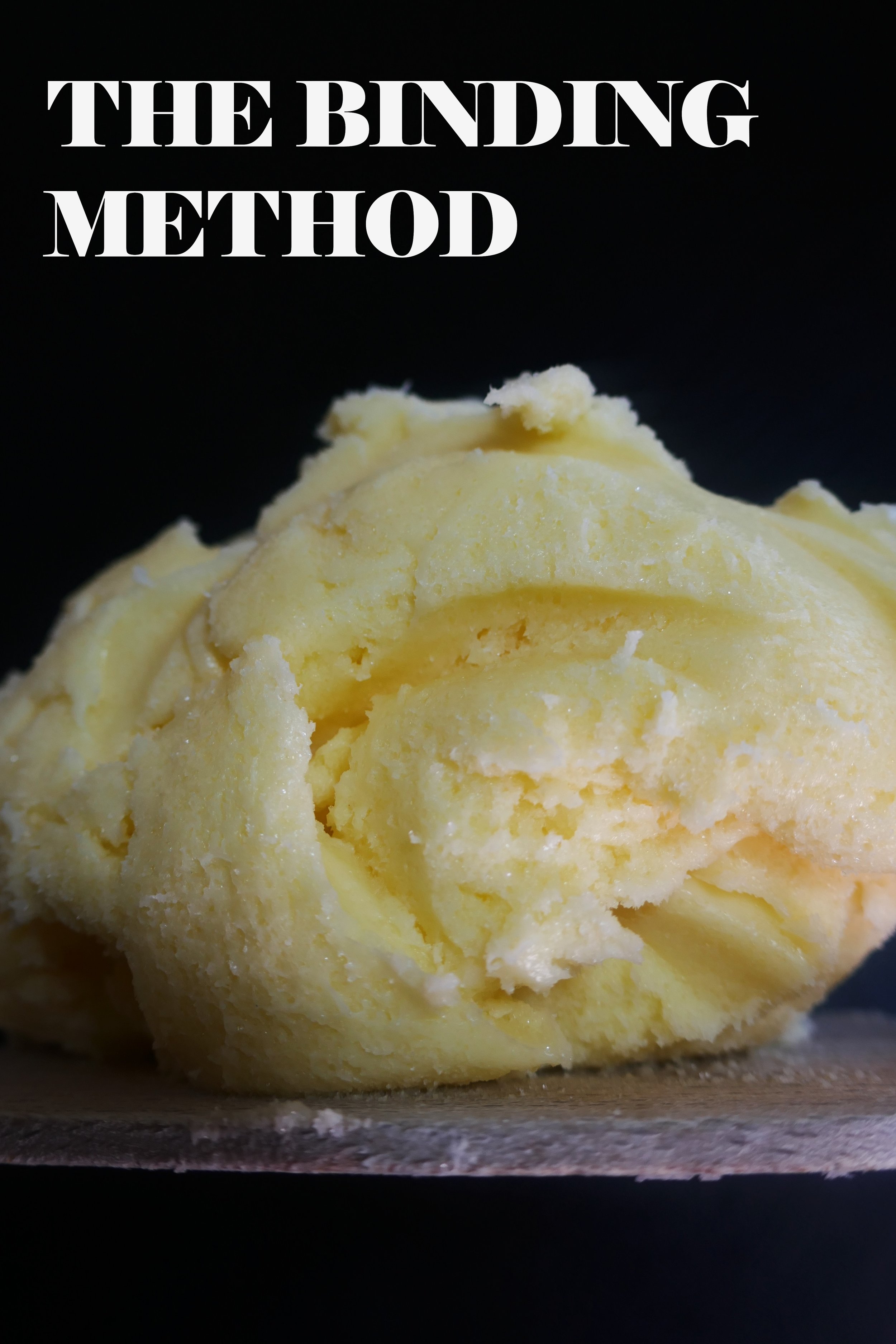
WHAT IS IS? WHAT DOES IT DO?
And how important is following it, really?
Typically, when we use cold butter in baking (for recipes such as biscuits and pastry-based items -hello tart, hello sweetie-pie) we employ the well-known and very familiar “sanding method” . However, we can also use another method, the “binding method”. Used at the start of a recipe, the “binding method” is the process of mixing butter with sugar (rather than flour in the “sanding method” so that the two ingredients are homogenised (the butter is still solid, and the sugar has been dissolved) before adding the final ingredients (typically flour, no we didn’t forget you).
In recipes which use the “binding method” we don’t aim to use the butter enrich our dough or even to incorporate air but rather to simply hold all the ingredients together (to bind them together, to be completely blunt here…), with the correct use of this method guaranteeing the right texture once baked (the best example of this being shortbread which doesn’t spread in the oven when baked) .
In the context of cold butter (this section of recipes we will be exploring) the “binding method” is perhaps the hardest method to master completely (if you’ve even come across it?) yet can present us with the most satisfying baked results. This is because the consistency of butter changes so quickly under physical manipulation (I got board writing ‘mixing’ but this terminology will be useful later on, no doubt.) and we must find that tipping point between undermixing (where we find lumps of butter) and overmixing (where we create pockets of incorporated air).
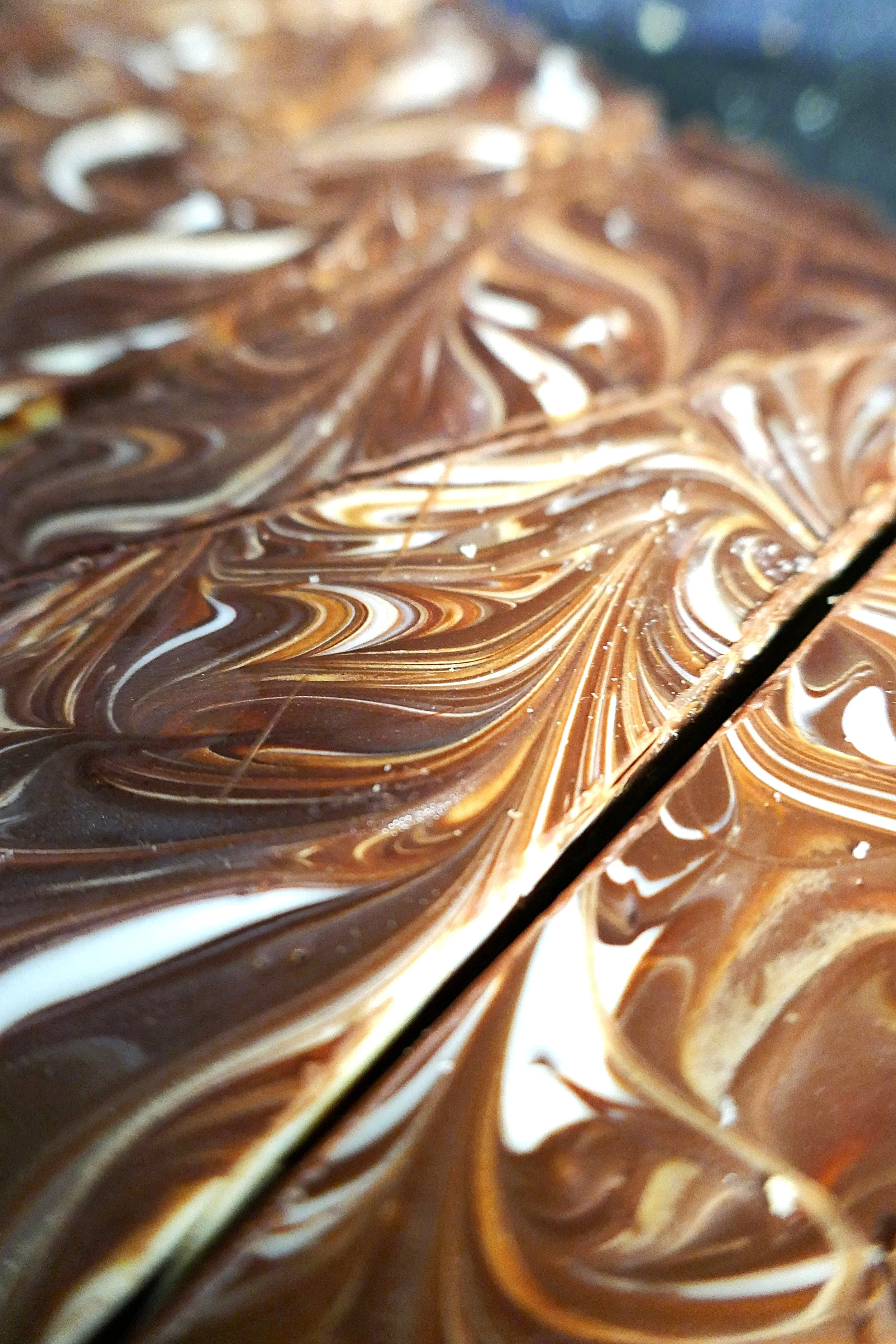
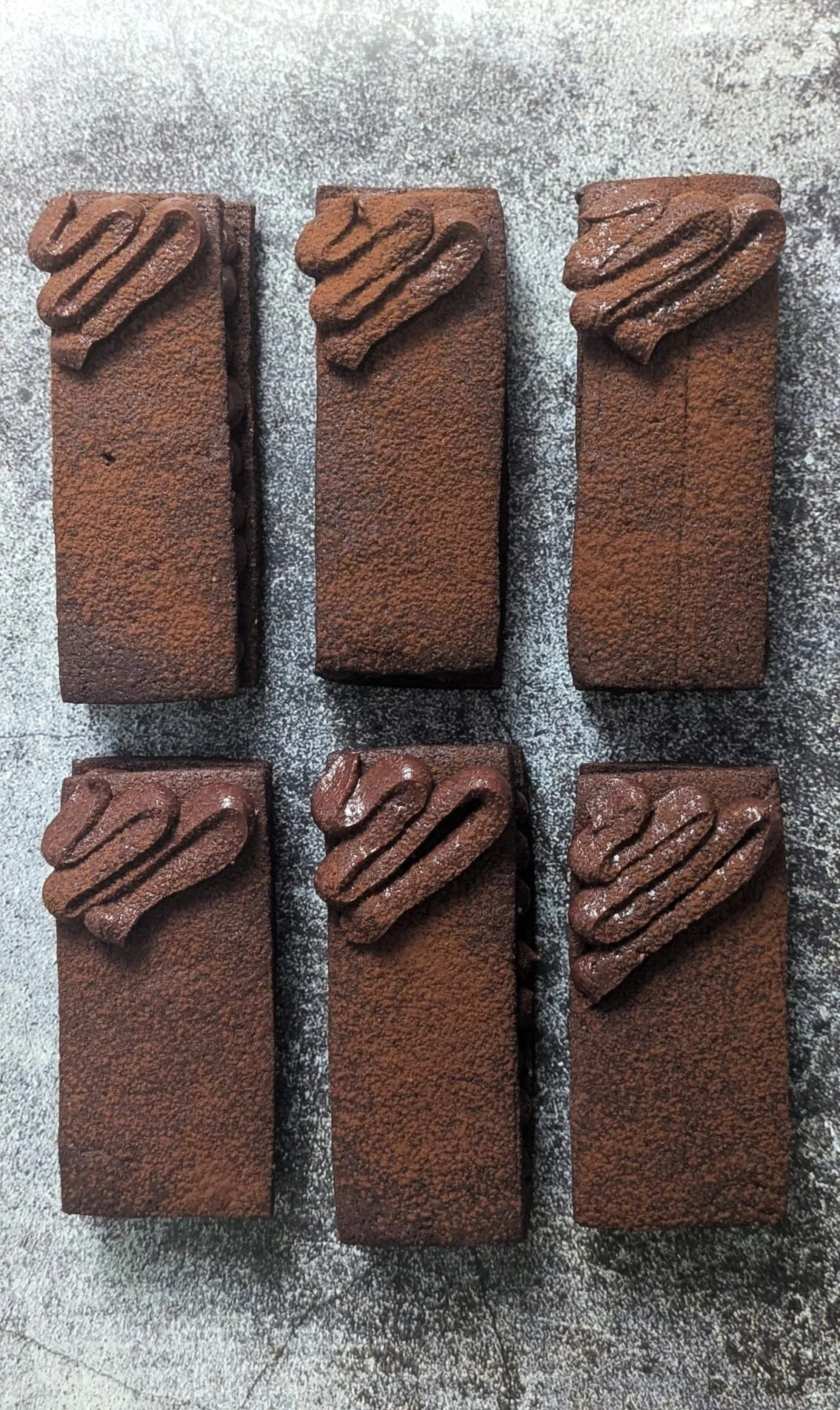

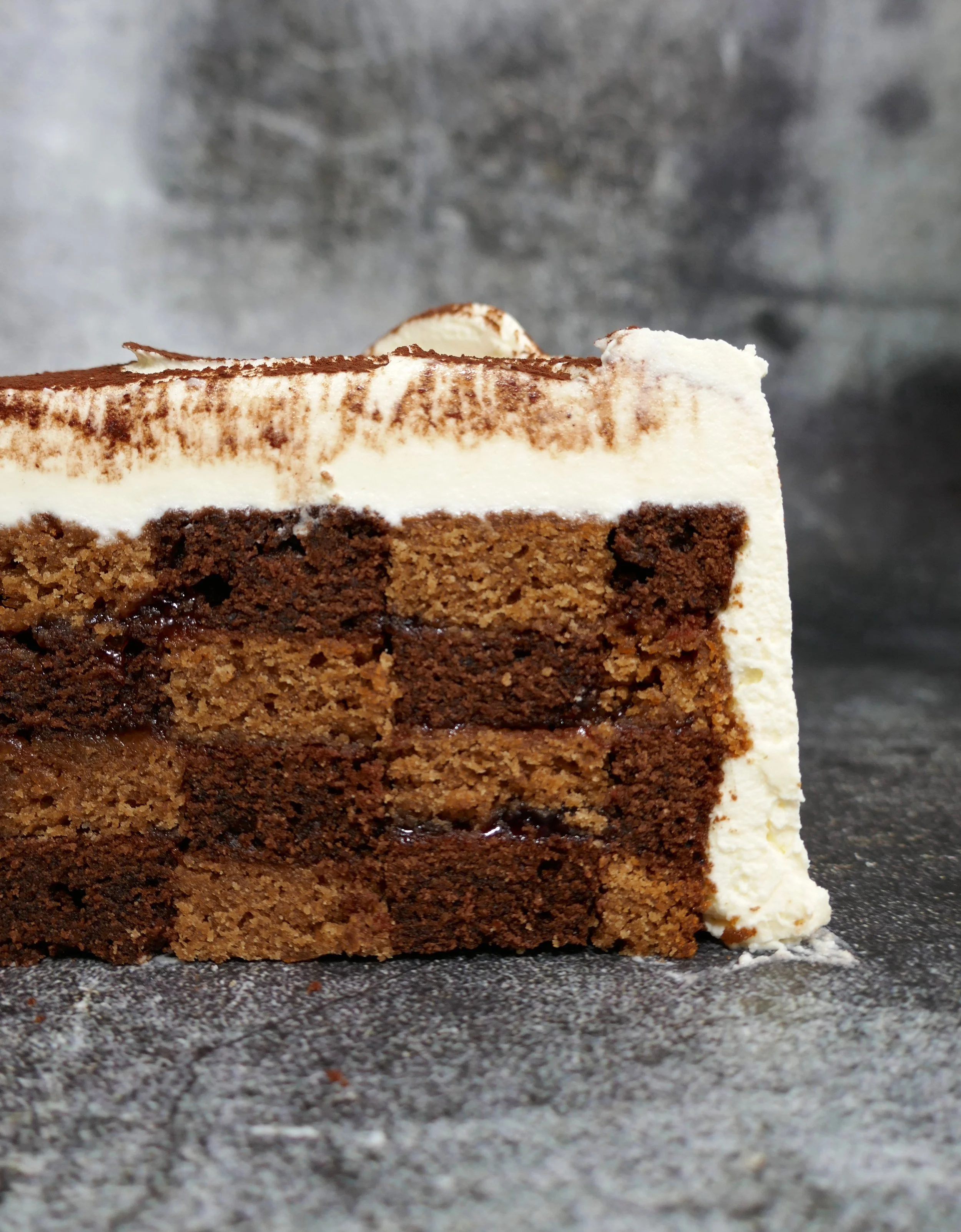
So, in the following section we will make shortbread, biscuits and even a few rogue sponges to demonstrate this “binding method” in all its glory so we can learn to avoid any sad results but also yield perfect results. Whilst doing so I will inevitably ask the questions “Do we really need to follow these methods?", “Are there shortcuts to ensure we can get the right results each time?”
Let’s see through the recipes themselves… let’s see what we can get away with…
